
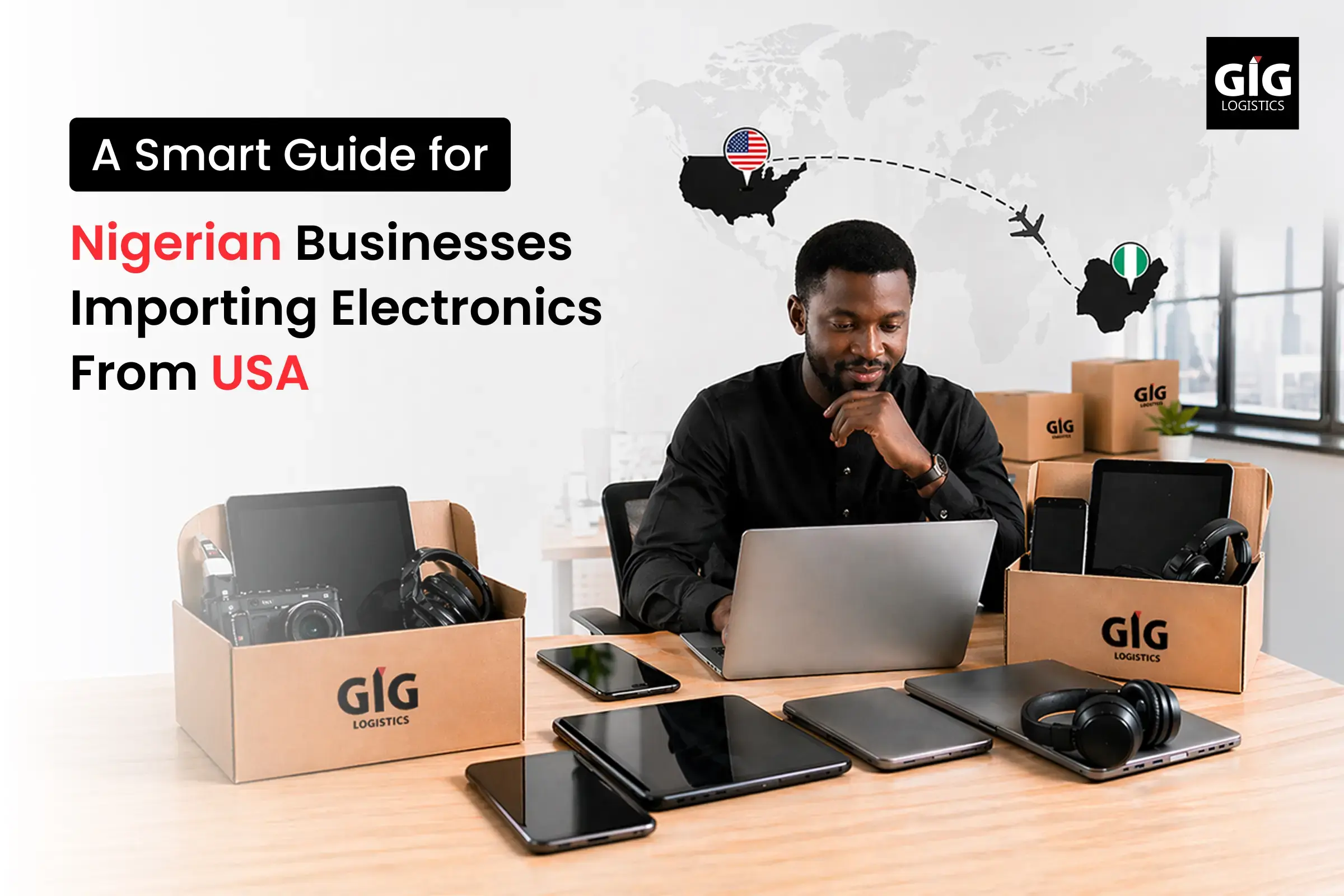
Importing electronics from the United States presents a strong opportunity for Nigerian businesses aiming to meet rising consumer demand. From smartphones to laptops and accessories, there are numerous electronic gadgets that American manufacturers have to offer. However, success in this business goes beyond sourcing products. It requires strategizing, budgeting, and choosing the right logistics partner.
This blog post outlines how businesses can import electronics from the USA to Nigeria, avoid common pitfalls, and scale profitably.
Demand for electronics in Nigeria continues to rise, driven by increasing digital adoption and consumer demand for quality devices. Products such as gaming PCs, smart home appliances, wireless headsets, and refurbished electronics are especially popular. To stay competitive, businesses must understand market demand and pricing trends.
Sourcing from certified US vendors ensures product authenticity and helps maintain quality standards.
Many importers also explore US wholesale markets to secure better pricing and improve profit margins.
Shipping is a critical factor in import success. Companies have to make choices on speed versus cost. For urgent or high-value goods, fast air freight from the USA to Nigeria is often the best option. It minimizes transit time and reduces the risk of damage. Standard shipping, on the other hand, is more cost-effective for bulk or non-urgent items.
Working with experienced logistics providers ensures proper handling, faster processing, and reliable delivery timelines.
Reliable logistics partners play a major role in smooth import operations. Businesses should select companies experienced in the international shipping business from the USA to Nigeria. These providers are aware of customs procedures and the documentation requirements.
Look for services that offer:
For smaller shipments, courier services provide convenience and speed, along with full visibility of your goods in transit.
Partnering with a dependable provider that offers reliable delivery from the USA to Nigeria reduces the risk of delays, damage, and customer dissatisfaction. They can help:
Profitability is based on cost management. Shipping costs are influenced by weight, size and delivery speed. For example, the cost of shipping a laptop from the USA to Nigeria may vary depending on the packaging, insurance, and the courier service.
To optimize costs, compare multiple logistics providers, consolidate shipments where possible, and avoid choosing price over reliability. Quality service guarantees the safety of products and timely delivery, which ultimately promotes business growth.
Without adequate preparation, customs clearance can prove to be complicated. Companies will have to submit relevant paperwork, such as the invoice, along with details about the merchandise.
It’s also important to comply with Nigeria import regulations, as electronics may be subject to specific standards and duties. Working with experienced logistics providers can simplify documentation and speed up clearance, allowing you to focus on growing your business.
Importing electronics isn’t as simple as tossing a package in the mail. Nigeria’s unique logistics and regulatory landscape can pose a couple of challenges. Below are the main challenges to consider:
Nigeria Customs Service (NCS) can hold your package for inspection, and electronics often attract hefty import duties.
How to manage it:
Shipments across borders are not cheap, particularly for delicate or valuable goods such as laptops.
How to manage it:
Without proper handling, your shiny new electronic items could arrive scratched, broken, or not at all.
How to overcome it:
Purchasing products from unverified sellers increases the risk of fake or substandard goods.
How to overcome it:
Importing electronics from the USA to Nigeria presents lucrative prospects to Nigeria-based entrepreneurs. However, it requires planning, reliable contacts, and smart budgeting for success. An entrepreneur who wishes to establish a viable and successful venture needs to choose credible logistics service providers like GIG Logistics to streamline shipping, track deliveries in real time, and operate more efficiently.
FAQs
Q1. How can I save money on electronics imports?
There are many ways, such as comparing shipping costs, consolidating orders and negotiating with logistics companies. It is important to plan; otherwise, additional expenditures cannot be avoided.
Q2. What risks may be associated with electronics imports?
Common risks include delays, damaged goods, and unreliable suppliers when delivering goods from America to Nigeria. On the other hand, working with GIG Logistics will help you eliminate this problem.
Q3. When will my order reach Nigeria?
Shipping time may vary according to the timing of your package. When you ship with GIG Logistics, your shipment from the United States to Nigeria should take about 7-10 working days.